
Air plants, with their unique ability to thrive without soil, offer a distinctive touch to interior design. Their versatility allows for creative displays, from hanging arrangements to elegant holders. Beyond aesthetics, these plants purify air and regulate humidity, fostering a healthier living space.
This dual function not only enhances visual appeal but also promotes a serene atmosphere. As one considers the benefits of integrating air plants, intriguing questions about their impact on mood and well-being arise.
Key Takeaways
- Air plants thrive without soil, allowing versatile placement throughout various interior spaces, enhancing design without clutter.
- Their natural presence purifies air and improves indoor air quality, creating a healthier and more inviting environment.
- Incorporating air plants into décor styles, from minimalist to bohemian, adds visual interest and complements any aesthetic.
- Grouping different varieties fosters dynamic arrangements, enriching the overall ambiance and encouraging creativity in design.
- Air plants promote tranquility and mindfulness, contributing to a calming atmosphere that enhances overall well-being at home.
Why Air Plants Are Perfect for Any Space
Why are air plants considered the ideal choice for enhancing any interior space? Their unique ability to thrive without soil makes them remarkably versatile, allowing them to flourish in various settings. These charming plants can be nestled in decorative holders, hung from ceilings, or placed on shelves, effortlessly elevating the aesthetic of any room. Beyond their visual appeal, many wonder, are air plants good for air quality?
While they may not be the most significant contributors to improving air quality, their presence still adds a touch of nature, fostering a calming atmosphere. Their low maintenance requirements make them perfect for busy lifestyles, inviting a sense of belonging and warmth to homes, ultimately transforming living spaces into havens of tranquility.
How Do Air Plants Improve Air Quality and Health?
Air plants, with their striking forms and adaptability, offer more than just aesthetic charm; they also contribute to the overall health of indoor environments. These unique plants are known to purify the air, making them a valuable addition to any home.
- Absorption of toxins: Air plants actively absorb harmful pollutants, improving indoor air quality.
- Oxygen production: They release oxygen during photosynthesis, enhancing the freshness of the living space.
- Moisture regulation: By releasing water vapor, air plants help maintain humidity levels, benefiting respiratory health.
Incorporating air plants into interior spaces not only elevates design but also fosters a healthier, more inviting atmosphere, making them an excellent choice for those seeking connection and comfort in their homes.
Incorporating Air Plants Into Your Home Decor
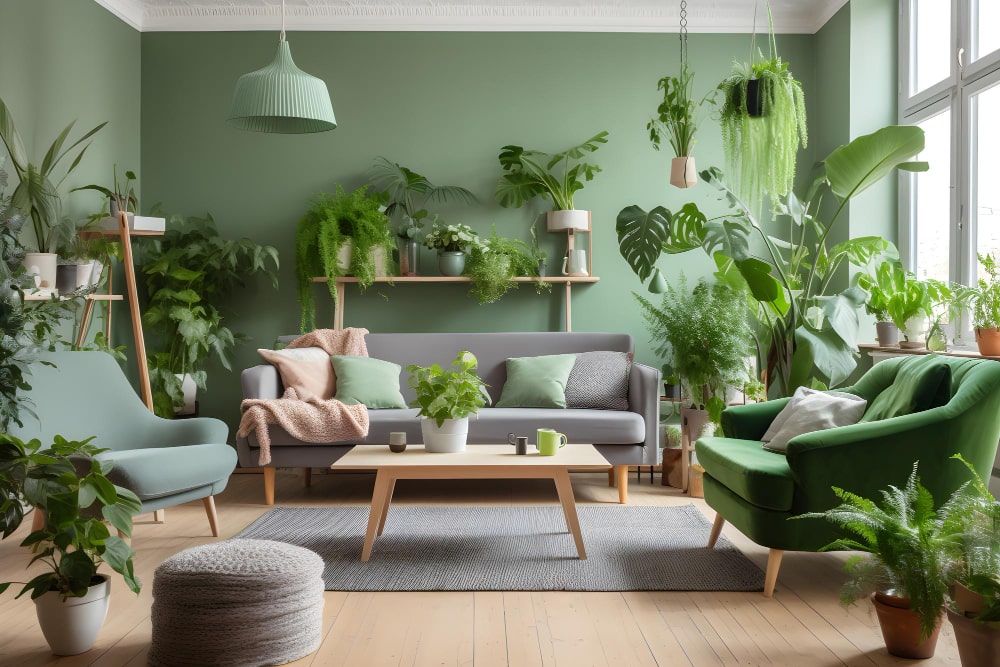
Transforming a living space with air plants introduces a rejuvenating blend of nature and design. These versatile plants can be creatively incorporated into various decor styles, from minimalist to bohemian. Placing air plants in geometric terrariums or hanging them in macramé holders can add visual interest and a touch of whimsy.
They thrive in various settings, allowing for flexibility in placement—on shelves, windowsills, or even as a centerpiece on dining tables. Grouping different varieties can create a dynamic arrangement, enhancing the overall aesthetic. Additionally, air plants contribute to a sense of belonging by fostering a connection to nature within the home. Integrating these unique plants not only beautifies the space but also promotes a welcoming atmosphere for family and friends.
Essential Care Tips for Thriving Air Plants
Integrating air plants into home decor not only enhances aesthetics but also requires mindful care to secure their longevity. These unique plants thrive in various environments, yet they need specific attention to flourish.
- Watering: Soak air plants in room temperature water for 20-30 minutes every one to two weeks, making certain they dry completely afterward to prevent rot.
- Light: Place them in bright, indirect sunlight; too much direct light can scorch their leaves, while too little can hinder growth.
- Air Circulation: Maintain good airflow around the plants to help them breathe and stay healthy.
How Air Plants Can Improve Your Mood and Well-Being
While many may overlook the impact of greenery in their living spaces, incorporating air plants can greatly enhance mood and overall well-being. These charming plants not only add a touch of nature but also foster a sense of tranquility. Their unique ability to purify the air contributes to a healthier environment, making them excellent companions for those seeking comfort. The vibrant hues and varied textures of air plants can stimulate creativity and bring joy, transforming a mundane room into a sanctuary.
Engaging with these resilient plants can also provide a grounding experience, encouraging mindfulness and connection to one’s surroundings. Ultimately, air plants serve as a gentle reminder that nurturing life within a home can elevate spirits and promote a sense of belonging.
Frequently Asked Questions
Can Air Plants Survive in Low Light Conditions?
Air plants can survive in low light conditions, although they thrive best with indirect sunlight. Their resilience allows them to adapt, making them suitable for various indoor spaces, enhancing both aesthetics and ambiance effortlessly.
How Often Should I Water My Air Plants?
Air plants thrive with weekly watering, ideally through soaking for 20-30 minutes. This method promotes healthy growth and vibrant appearance, ensuring they contribute positively to their surroundings while enhancing overall air quality in the home.
Are Air Plants Safe for Pets and Children?
Air plants are generally safe for pets and children, as they are non-toxic. Their low-maintenance nature and unique aesthetic appeal make them a delightful addition to homes, fostering a sense of belonging and tranquility.
Do Air Plants Need Fertilizer?
Air plants generally do not require fertilizer, thriving on natural nutrients from their environment. Occasionally, a diluted, water-soluble fertilizer can enhance their growth, providing a boost to their vibrant, unique aesthetic within living spaces.
How Long Do Air Plants Typically Live?
Air plants typically live for two to five years, depending on their care and environment. With proper light, watering, and occasional fertilization, these resilient plants can thrive, adding beauty and charm to any space.
Conclusion
Incorporating air plants into interior design not only elevates aesthetic appeal but also nurtures a serene living environment. Their unique ability to purify the air and regulate humidity enhances overall well-being, making spaces feel more inviting.
With simple care, these versatile plants thrive, adding a touch of nature that fosters mindfulness and connection. Ultimately, air plants serve as a beautiful reminder of the harmony between nature and home, enriching both the atmosphere and the spirit.
You May Also Like To Read: